Water Damage in Attic: Signs, Causes, and What to Do
Learn how to spot attic water damage, stay safe around a leak, narrow down the likely cause, and decide when drying or qualified help is needed.

Water damage in an attic can be easy to miss because the first wet spot is often above the ceiling, behind insulation, or near a roof penetration. A damp smell, darkened wood, matted insulation, a ceiling stain, or a drip after a storm can all be useful clues. The practical goal is to avoid a safety mistake, stop more water from entering, identify the likely source, and make sure the affected materials are actually dry before repairs hide the evidence.
Start With Safety Before You Inspect
Do not enter an attic when the ceiling below is bulging, framing looks damaged, water is near electrical equipment, or you cannot move across a stable walkway. Wet insulation can hide the ceiling joists, and a misstep can damage the ceiling below or cause a fall. Use a reliable light, avoid working alone, and keep children and pets away from the area.
If water is near a light fixture, wiring, an electrical panel, or an appliance, stay clear. Ready.gov advises against touching wet electrical equipment or equipment while standing in water. If you can safely reach the breaker without entering a wet area, turn off power to the affected area. Otherwise, leave it to a qualified electrician or restoration professional.
When water is actively entering the home, the site’s emergency water guidance can help you separate immediate safety steps from the cleanup decisions that come next. Do not try to walk across wet insulation, remove a large piece of soaked drywall, or climb onto a wet roof just to find the source.
Signs of Water Damage in an Attic
Fresh water damage can look different from an old, dry stain. Look for a change that is spreading, damp to the touch, tied to rain, or accompanied by a new odor. Darkened roof sheathing, wet insulation, rusty fasteners, peeling paint on attic framing, water tracks down a rafter, and drips near a vent pipe all deserve attention.
Check the room below, too. A water mark, peeling ceiling paint, or a soft area around a ceiling fixture may mean water has already traveled beyond the attic. The site’s ceiling water-stain guide explains what those visible changes can mean, while the guide to early wall-water-damage signs covers nearby finish damage that can appear when water moves away from its entry point.

A musty smell is a clue, not a diagnosis. It can point to ongoing moisture, but it can also come from a prior leak, poor ventilation, or material that never dried completely. Use the site’s water-damage smell guide to consider the odor alongside the water source and visible materials.
Find the Likely Source, Without Guessing
Most attic moisture problems trace back to one of three patterns: water entering through the roof, a plumbing or appliance line above the ceiling, or condensation from warm indoor air. The pattern matters because drying the attic without correcting the cause simply sets up the next leak.
- Roof leak: A problem that appears during or soon after rain may involve damaged shingles, flashing, valleys, skylights, chimneys, vents, or another roof penetration. Water may run along framing, so the wet spot is not always directly below the entry point.
- Plumbing or appliance leak: A bathroom, laundry area, water heater, or HVAC equipment near the attic can create moisture without a storm. Notice whether the damage changes after showers, toilet use, laundry, or a cooling cycle.
- Condensation: Frost, damp roof sheathing on cold mornings, or moisture concentrated around ducts can point to humid indoor air reaching a cold attic. A disconnected bathroom exhaust duct is a common issue worth checking by a qualified professional.
Take photos before moving insulation or discarding wet material. Include the stain, the surrounding framing, the roof or pipe area above it when safe, and any damage in the room below. Those records make the insurance claim conversation clearer and help a roofer, plumber, or restoration provider understand what changed.
Use Timing to Narrow Down the Cause
The timing of the moisture can be more useful than the size of one stain. If the attic becomes wet after steady rain, wind-driven rain, or melting snow, start by looking for a roof-entry pattern. Pay attention to roof vents, pipe boots, flashing, valleys, skylights, chimneys, and places where one roof plane meets another. Water can travel along a rafter or the underside of roof sheathing before dripping, so keep tracing upward and outward from the wettest material rather than assuming the first stain is the source.
If the problem appears in dry weather, consider the systems that create moisture inside the home. A bathroom exhaust duct that has come loose, ends in the attic, or has damaged insulation can release warm humid air where it does not belong. A plumbing vent or supply line may leak only when a fixture is used. HVAC equipment or ductwork can also create water through a condensate issue or air leak. Note what had been running before you found the water, but do not repeatedly run a suspected fixture just to test an active leak.
Condensation often looks more spread out than a single roof leak. You may see frost, fine droplets, or a broad damp film on the underside of roof sheathing during cold weather. A localized dark path below a penetration is more consistent with water entering at one point. These are clues, not a substitute for an inspection. When the source remains uncertain, a clear assessment is safer than sealing the area and hoping the next weather event answers the question for you.
Stop More Water Before You Start Drying
A bucket, towel, or fan may protect a small area temporarily, but none of them fixes the source. A roof issue needs a roof repair plan. A plumbing leak needs the water source controlled. A condensation problem needs the air and ventilation issue addressed. Do not seal a ceiling stain, replace insulation, or repaint a room below until you know why it became wet.
For a roof-related concern, use the site’s roof-leak guidance to document conditions from a safe position and decide what help to call. For a sudden plumbing failure or active spread, a water-damage assessment can clarify the water path, the materials involved, and whether the visible area is only part of the problem.
Water from a sewage backup, flood, or unknown source needs more caution than a clean supply-line leak. Avoid handling contaminated materials and do not assume household cleaning is enough. The priority is protecting people and getting an appropriate cleanup scope.
Dry the Structure, Not Just the Surface
An attic can look dry while moisture remains in roof sheathing, framing, insulation, drywall, or the ceiling cavity below. This is why a finished-looking ceiling repair is not proof that the problem is over. Drying needs to account for the full water path, the amount of insulation affected, the material type, weather conditions, and whether air can move safely through the space.

The U.S. Environmental Protection Agency recommends drying water-damaged areas and items within 24 to 48 hours when possible to help prevent mold growth. Its mold and moisture guide also emphasizes fixing the moisture problem, not only cleaning the visible area. Do not point fans at a ceiling or attic surface that is unstable, and do not rely on a dehumidifier as evidence that hidden materials are dry.
Wet insulation deserves a closer look because it can compress, hold moisture against wood, and lose its ability to insulate. A qualified provider can assess which material can remain, what needs to be removed, and how the underlying ceiling and framing will be checked. If mold is visible or the smell persists after the leak is stopped, review the site’s guide to mold after water damage before disturbing the area.
Do Not Hide the Problem With a Quick Repair
Fresh paint, new insulation, or a patched ceiling can make the house look normal while moisture remains behind the finish. That is why the repair order matters: first stop the source, then inspect the water path, dry or remove affected material as needed, confirm the area is stable, and finally complete cosmetic repairs. Reversing that order makes it harder to tell whether the underlying problem returned.
Avoid pushing on a water-stained ceiling from below, cutting into a bulging surface, or pulling out insulation while standing on exposed joists. Do not use a household fan in a way that blows dust, debris, or possible contamination through the home. And do not treat a musty smell with fragrance or a mold-cleaning product before you know what is wet. The Centers for Disease Control and Prevention advises fixing leaks and other moisture problems when mold is present, because cleanup without moisture control does not resolve the condition that allowed it to grow.
Small, dry, stable finish damage can sometimes be repaired after the cause is corrected. A larger attic problem may involve roof sheathing, framing, insulation, ceiling drywall, and belongings stored nearby. In that situation, ask the provider to explain what it found and why each removal, drying, or repair step is necessary before work starts.
Know When the Attic Needs Professional Help
Ask for qualified help when water is active, the source is unclear, materials are sagging or soft, insulation is widely wet, there is a visible mold concern, or electricity may be involved. The same applies when water has reached a finished room below, a ceiling has changed shape, or you cannot safely reach the area.
A useful assessment should explain the likely source, the areas checked, which materials are wet, how drying will be confirmed, what needs repair, and what could change the scope. US Water Damage Pros outlines how the evaluation process can work and offers a way to call 1-877-264-7045 when you need help sorting through an attic water-damage concern.
What to Ask Before Work Begins
Water damage often involves more than one trade. A roofer may need to correct the entry point, a plumber may need to repair a supply or drain issue, and a restoration provider may need to evaluate the materials that became wet. Getting clear answers early helps you avoid paying for cosmetic work before the cause and drying plan are understood.
- What is the most likely source, and what evidence supports that conclusion?
- Which materials are wet or need closer inspection, including the ceiling below the attic?
- How will the affected area be dried or checked before insulation and finishes are replaced?
- What work is included now, what could change after further inspection, and how will changes be explained?
- Which records, photos, or receipts should be kept for an insurer or future repair?
These questions do not slow down an urgent response. They make the next step easier to understand, especially when an attic leak has affected more than one part of the home.
Prevent the Next Attic Moisture Problem
Once the immediate issue is resolved, prevention comes down to separating rain entry, plumbing failures, and indoor humidity. A seasonal roof check from the ground, clean gutters, repaired flashing, properly connected bathroom exhaust ducts, and clear soffit or roof ventilation can reduce the conditions that allow moisture to linger.

Do not block attic vents with insulation, and do not vent bathroom air into the attic. After a significant storm or a plumbing incident, inspect from a safe position for new stains, damp insulation, or changed odors. A brief check is much easier than discovering the damage only after it reaches a ceiling or wall below.
Frequently asked questions
What is the first thing to do when I find water in my attic?
Stay out of any area with sagging material, standing water, wet electrical equipment, or a ceiling below that is bulging. If it is safe, limit more water from entering, take photos, and arrange help to identify the source. Do not step across wet insulation or try to investigate from an unstable ladder.
Can attic water damage come from condensation?
Yes. Condensation can occur when warm, moist indoor air reaches cold attic surfaces. Bathroom exhaust duct problems, air leaks from the living space, and poor attic ventilation can all contribute. The pattern of moisture, the weather, and whether the issue appears after showers or cold nights can help separate condensation from a roof leak.
Does wet attic insulation need to be replaced?
It depends on the material, the water source, how much insulation is wet, and whether it can be dried thoroughly. Insulation that is saturated, contaminated, compressed, moldy, or unable to dry can lose performance and may need to be removed. A qualified assessment can explain the condition of the insulation and the materials below it.
Will a roof leak always show as a ceiling stain first?
No. Water can wet roof sheathing, rafters, insulation, and attic flooring before it reaches the finished ceiling below. A ceiling stain can be an early warning, but attic damage can also be discovered during a routine check, after a storm, or when a musty smell appears.
Related posts
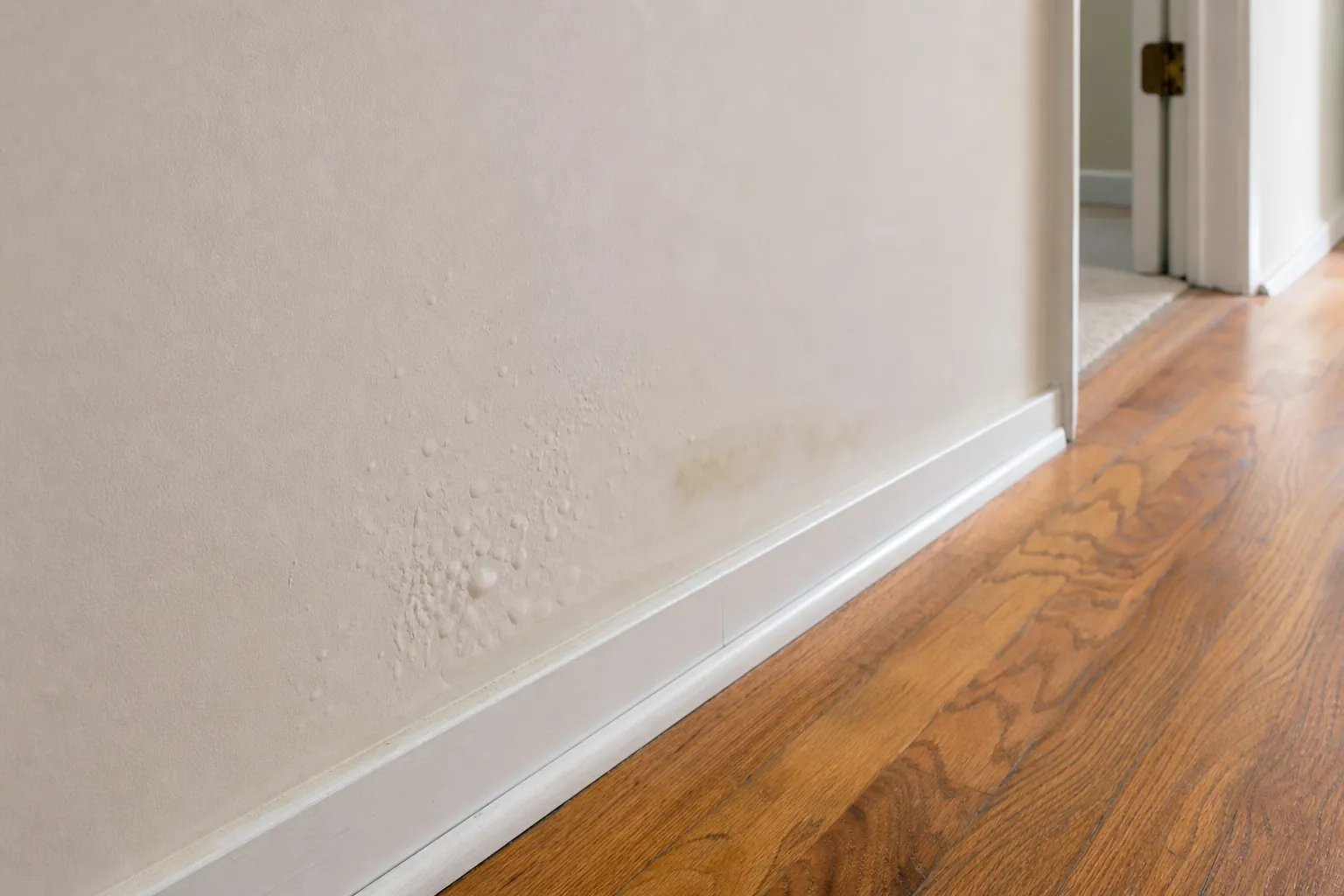
Early Signs of Water Damage in Walls
Learn how to spot wall moisture early, check likely sources safely, and decide when drying or qualified help is the right next step.
Read the guide →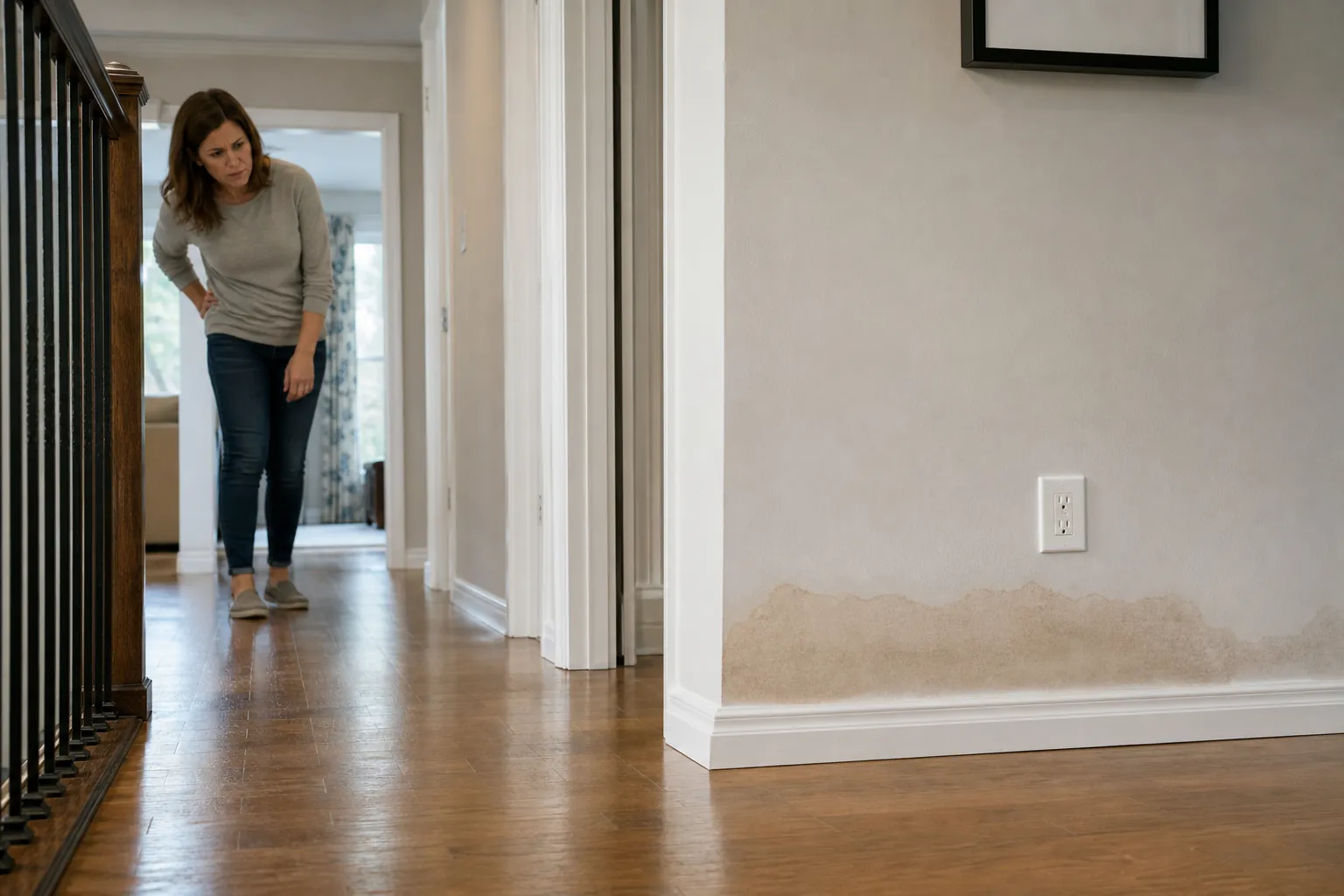
Water Damage Smell: What It Means and What to Do
A persistent musty odor can point to hidden moisture. Learn how to investigate safely, what not to do, and when drying or qualified help is needed.
Read the guide →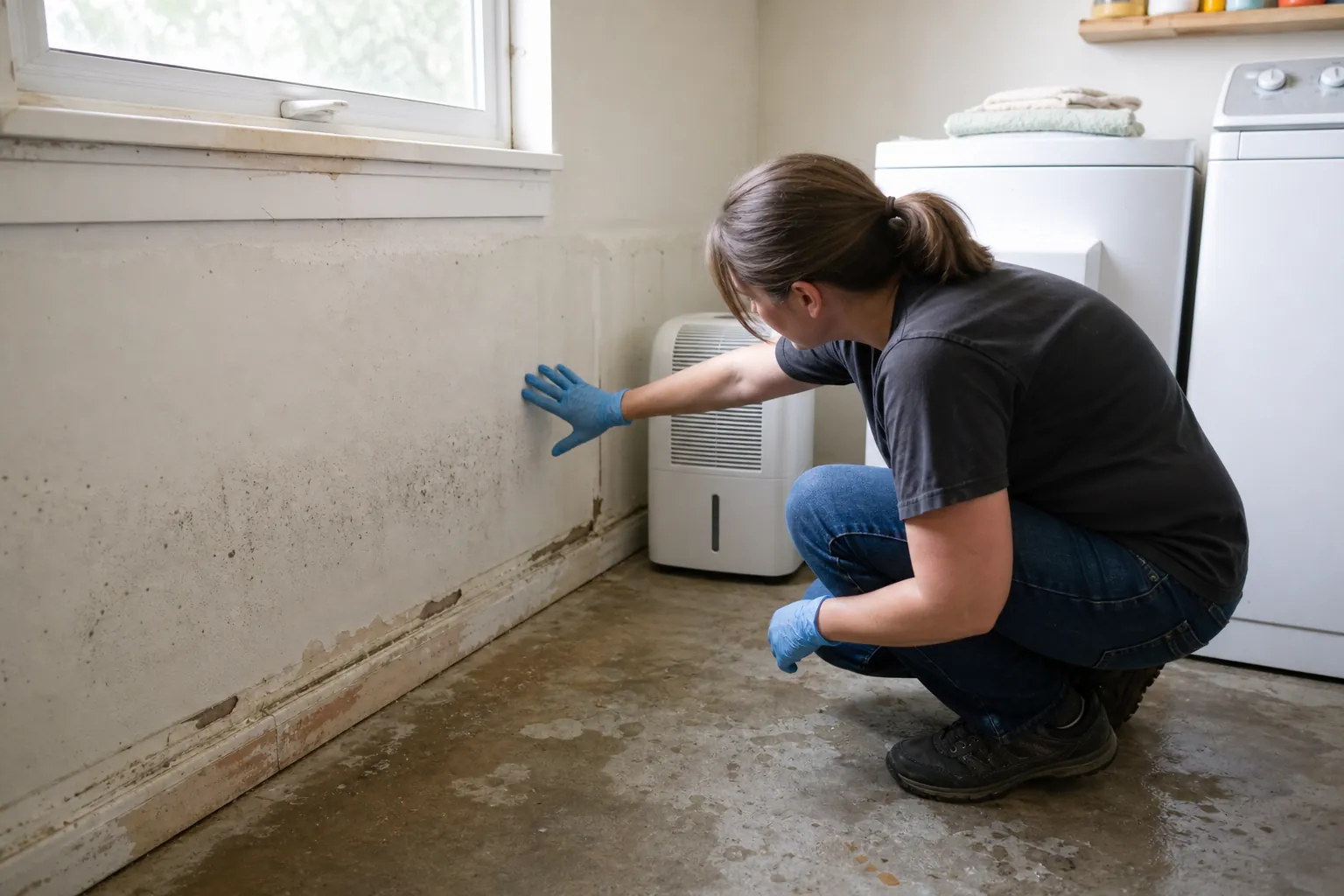
Is Mold From Water Damage Dangerous?
Understand what mold after water damage can mean, what to do first, and when the moisture problem needs qualified help.
Read the guide →